Ducks are among the most popular birds in the world, both for domestic and commercial purposes. However, the ducks we see in stores (meat or ready-to-cook) are very different from domestic ducks raised on farms or in backyard farms. These differences are evident in biology, appearance, behavior, nutrition, and even in the taste of the meat.
If you would like to order a baked duck with home delivery in Vinnytsia, please call us or place your order on our website.
1. Origin and breeds
Domestic ducks are descended from wild species, most often from the mallard (Anas platyrhynchos). There are many breeds of domestic ducks, each with its own characteristics:
- Muscovy ducks are calmer and have dense meat.
- Peking ducks are large, with white plumage, and are popular in meat production.
- Indian runners are thin, active, and excellent layers.
Store-bought ducks are mostly hybrids of meat breeds, specially bred for rapid growth and high weight. These ducks are intensively farmed on commercial farms.
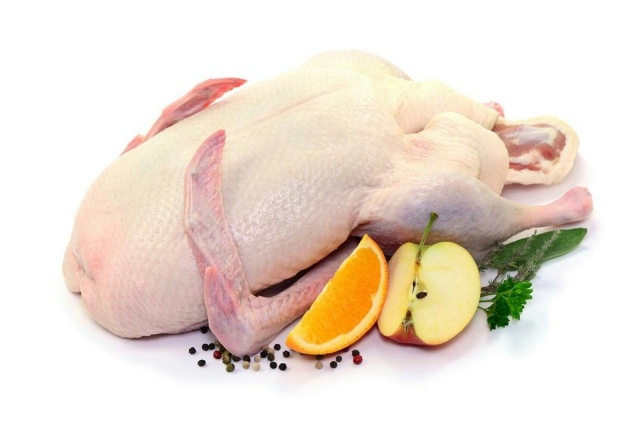
The main difference: domestic ducks vary in breed and character, while store-bought ducks are standardized meat hybrids.
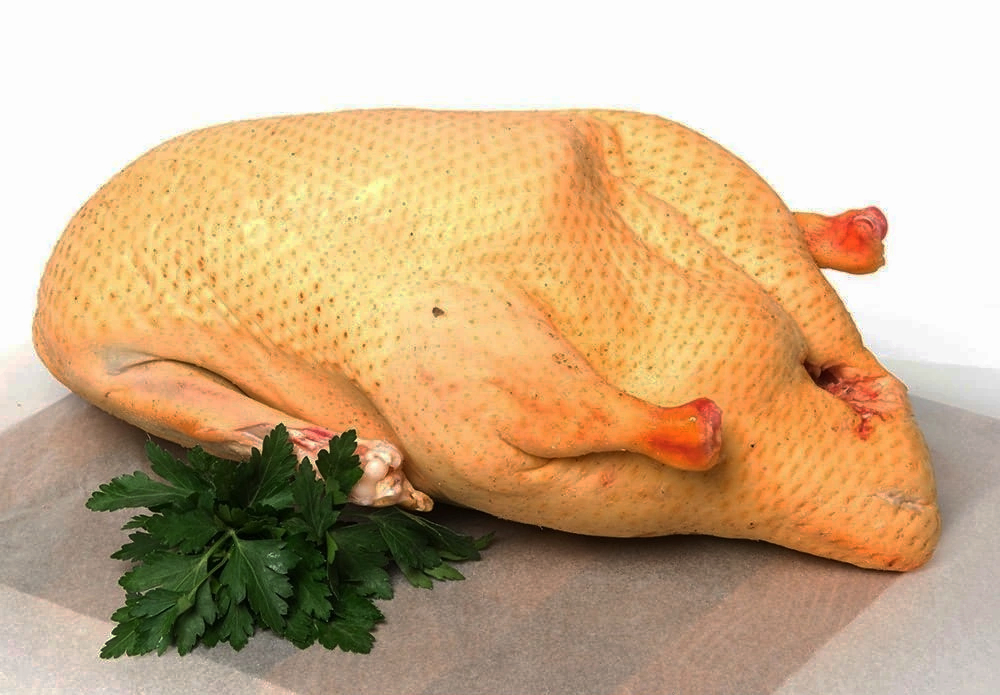
2. Appearance
Domestic ducks:
- Their plumage is denser and shinier.
- The beak and feet can be different colors: orange, yellow, black.
- The weight of adult birds depends on the breed: from 1.5 to 4 kg.
Store-bought ducks:
- They are usually white (because white plumage is easier to sell and looks clean after processing).
- They gain weight quickly, but have short necks and thick bodies.
- They often show signs of overeating: a thick layer of subcutaneous fat.
The main difference: store-bought ducks are bred for a dense body and high weight, while domestic ducks are diverse and harmoniously built.
3. Diet and lifestyle
Domestic ducks:
- They feed on natural food: grain, grass, insects, aquatic plants.
- Have access to water for bathing, which is important for healthy skin and feathers.
- They can roam freely, which strengthens their muscles and immunity.

Store-bought ducks:
- Raised on concentrated feed with high protein and fat content.
- Almost always kept in cages or confined spaces.
- They do not have the opportunity to bathe in natural water bodies.
- They do not have access to a natural source of light—the sun.
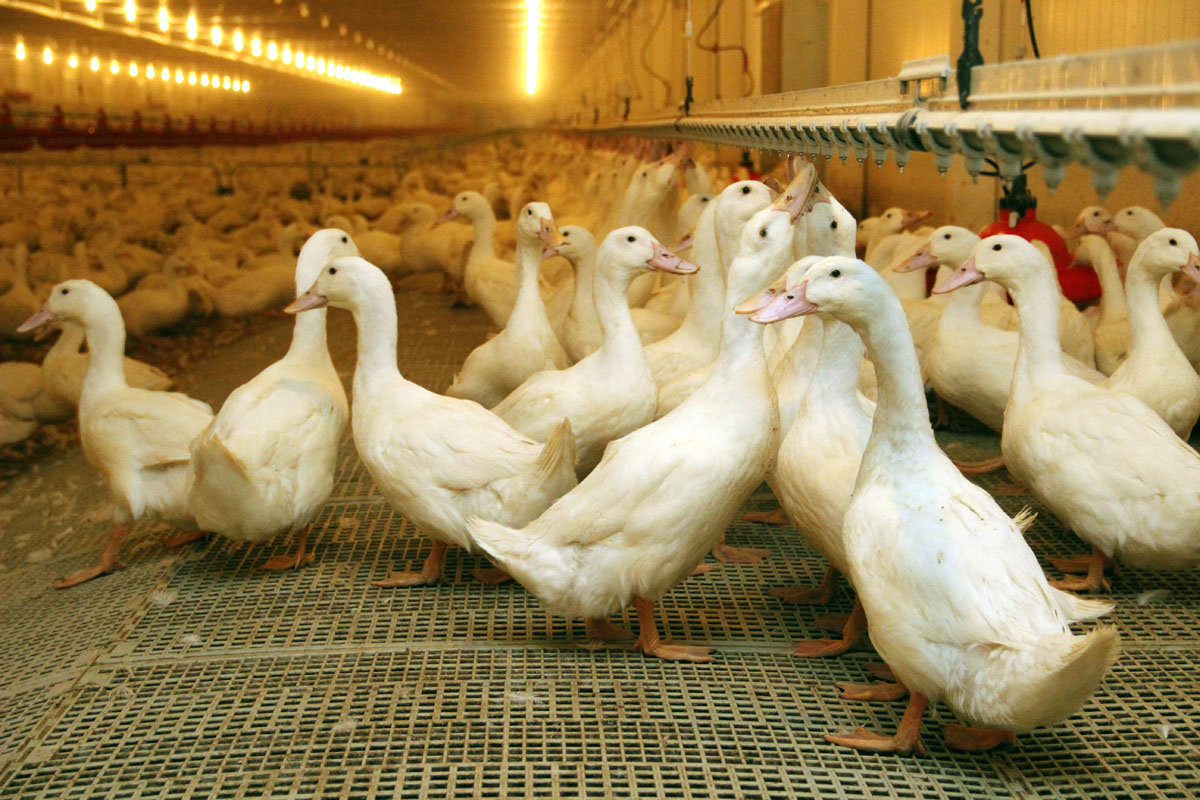
The main difference: domestic ducks lead a more active and natural lifestyle, while store-bought ducks are intensively fattened and restricted in their movement.
4. Growth rates
Domestic ducks: grow more slowly, naturally. Full adult weight is reached in 3–6 months, depending on the breed.
Store-bought ducks: are raised in an accelerated manner. For example, a Peking duck can reach a weight of 3-4 kg by 6-7 weeks of age.
The main difference: the accelerated growth of store-bought ducks often has a negative effect on bone health and the cardiovascular system.
5. Taste and quality of meat
Domestic ducks:
- The meat is more flavorful, with a pronounced aroma.
- Less fat, denser muscle structure.
- May have a variety of flavors depending on their diet.
Store-bought ducks:
- The meat is tender but often fatty.
- Due to rapid growth, the meat may be watery or less flavorful.
- The consistency is less dense, which affects cooking.
The main difference: domestic ducks produce higher quality, tastier, and healthier meat, while store-bought ducks produce standardized and "fatty" meat.
6. Lifespan
With good care, domestic ducks can live 8–12 years, and some breeds up to 15 years.
Store-bought ducks are usually raised for slaughter at 1-2 months of age and are not intended to live long.
The main difference: store-bought ducks do not live long due to the industrial nature of their breeding.
7. Behavior and character
Domestic ducks:
- Social and active.
- Can be tame and become attached to humans.
- Interesting to observe and keep as pets.
Store-bought ducks:
- Often calm and inactive due to their living conditions.
- They are practically not socialized with people.
- Their behavior is limited by stress and farm conditions.
The main difference: domestic ducks are more lively and interesting in their behavior.
8. Health and immunity
Domestic ducks:
- Diseases are less common if they have access to fresh water and a varied diet.
- Immunity develops naturally.
Store-bought ducks:
- High risk of disease due to crowded conditions.
- Antibiotics and growth stimulants are often used.
The main difference: domestic ducks are healthier and less exposed to chemical additives.
9. Cost and availability
Domestic ducks: more expensive to keep, require time and care.
Store-bought ducks: cheaper, available year-round in supermarkets.
The main difference: store-bought ducks are a mass-produced product, while domestic ducks are valued for their quality and naturalness.
10. Environmental aspect
Domestic ducks: help control insects and pests, fertilize the soil, and preserve biodiversity.
Store-bought ducks: raised in intensive agricultural conditions, which can have a negative impact on the environment: waste disposal, use of antibiotics, water pollution.
The main difference: home-raised ducks are more environmentally friendly and sustainable.
Conclusion
The differences between store-bought and home-raised ducks are enormous: from appearance and behavior to meat taste and environmental impact.
Domestic ducks are more natural, healthy, and interesting birds, although they require time and care. Store-bought ducks are an industrially produced product, a quick and convenient option for the consumer, but of lower quality in terms of human health benefits and taste.
Comments
You can share your opinion and leave a comment on this publication.