🦆 Home-raised vs. store-bought duck: a quick guide for foodies
1. Introduction: two lives of one bird
Ducks are birds that everyone is familiar with. But few people realize that home-raised and store-bought ducks have two very different life stories. The health, taste, appearance, and even character of a bird depend on its living conditions, diet, and exercise.
In this article, we will take a detailed look at the differences between home-raised and store-bought ducks so that you can make an informed choice, whether for your kitchen, farm, or nature blog.
And if you want to order a baked duck with home delivery in Vinnytsia, call us or place an order on our website.
2. Diet and lifestyle: what ducks eat and how it changes everything
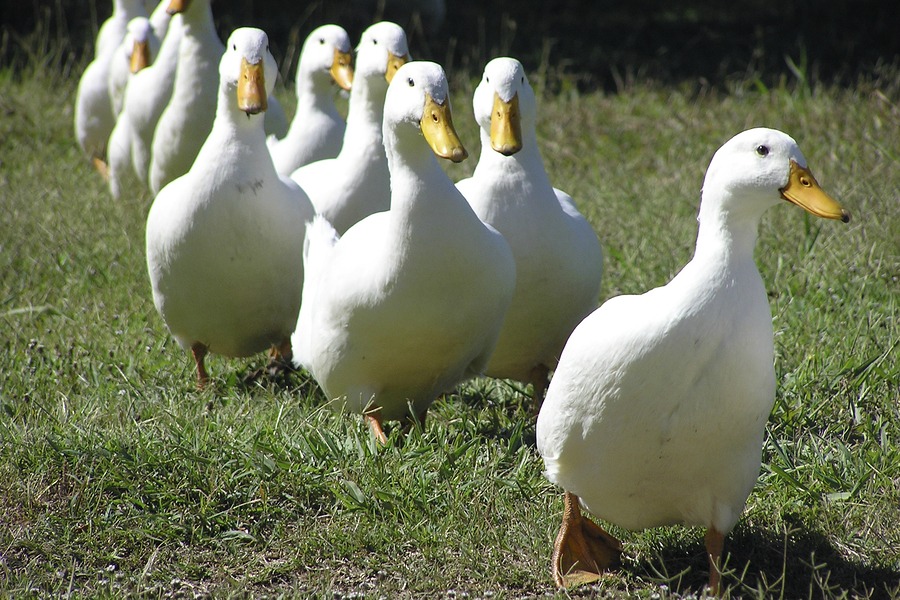
Domestic ducks are real gourmets: grain, greens, insects, duckweed, and algae. They move around, swim, and decide for themselves when to eat and rest. The meat of such ducks is aromatic, dense, with an even layer of fat.
Store-bought ducks are fed compound feed with additives, fats, and sometimes antibiotics. They get minimal exercise and have limited access to water. Their meat is soft, fatty, and bland—lacking in character.
| Indicator | Domestic duck | Store-bought duck |
|---|
| Taste | Bright, rich | Mild, bland |
| Texture | Dense, elastic | Delicate, loose |
| Meat color | Dark red | Light pink |
| Fat layer | Medium, even | High |
| Aroma when cooking | Pronounced | Weak |
3. Appearance and physical differences
Domestic ducks are unique: shiny feathers, various colors, mobile feet, and a distinctive beak.
Store-bought ducks are standard: white, short neck, massive chest, thick fat under the skin.
| Characteristics | Domestic duck | Store-bought duck |
|---|
| Feathers | Dense, shiny | Soft, matte |
| Feet | Mobile, long | Short, thick |
| Beak | Multicolored, individual | Orange, standard |
| Body proportions | Harmonious | Massive, disproportionate |
| Fat deposits | Moderate, even | Thick, concentrated |
4. Growth rate and lifespan
Domestic ducks grow slowly (3–6 months), with harmonious muscle and bone development. Life expectancy is 8–12 years.
Store-bought ducks grow rapidly (6–7 weeks), placing high stress on the heart and bones, and their muscles are weak. Lifespan is 1–2 months.
| Parameter | Domestic duck | Store-bought duck |
|---|
| Growth time | 3–6 months | 6–7 weeks |
| Life span | 8–12 years | 1–2 months |
| Bone and muscle quality | Strong | Weak |
| Fat balance | Even | Thick layer |
5. Taste and quality of meat
Domestic duck: aromatic, dense, rich meat with moderate fat and high content of nutrients.
Store-bought duck: soft, fatty, bland. Even when cooked, the taste is weak and the texture is loose.
| Parameter | Homemade duck | Store-bought duck |
|---|
| Aroma | Strong | Weak |
| Texture | Dense | Soft |
| Fat layer | Moderate | Thick |
| Nutrients | High | Reduced |
| Juiciness when cooked | High | Average |
6. Behavior and character
Domestic ducks are curious, have personality, social skills, and can even recognize people.
Store-bought ducks are almost like "robots": limited space, minimal activity, low trainability.
| Character | Domestic duck | Store-bought duck |
|---|
| Activity | High | Low |
| Social interaction | Complex | Minimal |
| Curiosity | High | Almost absent |
| Individuality | Clearly expressed | Almost absent |
7. Health and immunity
Domestic ducks: strong immunity, fewer diseases, no stimulants.
Store-bought ducks: weak immunity, high stress, antibiotics.
| Indicator | Domestic duck | Store-bought duck |
|---|
| Immunity | Natural | Weakened |
| Diseases | Rare | Frequent |
| Stress level | Low | High |
| Meat quality | Natural | Tender, fatty |
8. Cost and availability
Homegrown duck is more expensive — reflecting the labor, care, and quality of life of the bird.
Store-bought duck is cheaper — mass production, accelerated growth, minimal care.
| Indicator | Domestic duck | Store-bought duck |
|---|
| Price per kg | High | Low |
| Nutrition | Natural | Compound feed |
| Care and maintenance | Water, space, time | Minimum |
| Environmental factor | Low | High |
9. Environmental and ethical aspects
Domestic ducks are environmentally friendly and ethical: minimal waste, freedom, respect for life.
Store-bought ducks — high impact on nature, restricted movement, industrial stress.
| Indicator | Domestic duck | Store-bought duck |
|---|
| Resource use | Minimal | High |
| Impact on nature | Low | High |
| Ethical aspect | Concern | Limited |
10. Conclusion: domestic duck is not just food, but an experience
Domestic duck is:
- An experience of observing a living creature.
- A harmony of taste, health, and movement.
- An ethical and ecological choice.
Store-bought duck is convenient and cheap, but it lacks character, history, and the experience of living.
Choosing a duck is choosing an attitude towards life, nature, and your own taste.
Comments
You can share your opinion and leave a comment on this publication.